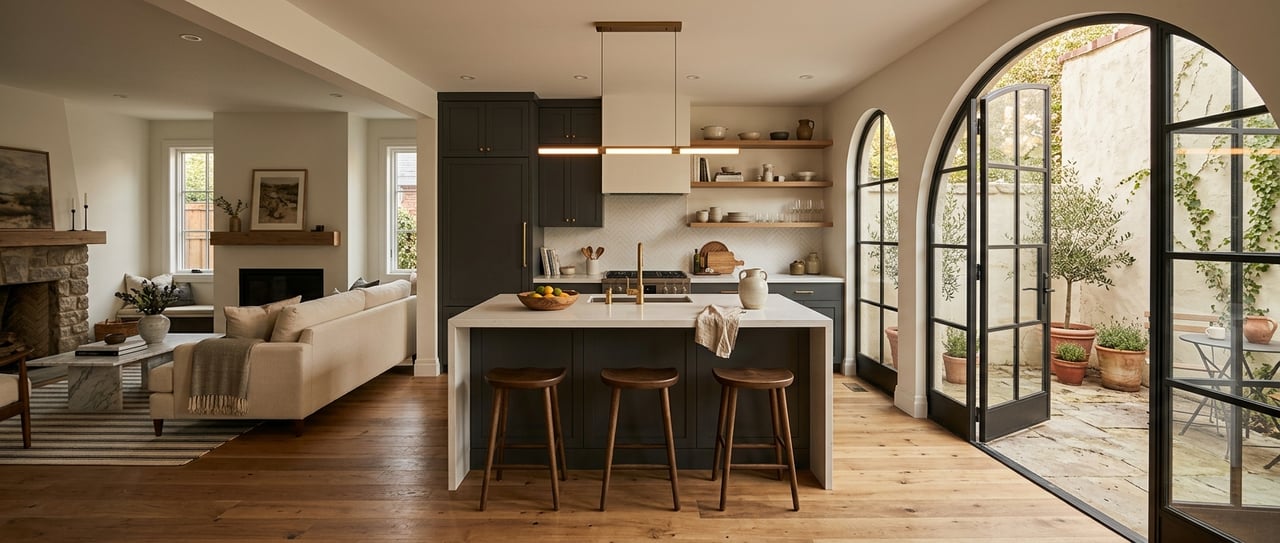
Wondering what actually changes when you move up to Eastwood Irvine? It is easy to focus on square footage alone, but your next home often changes how you live just as much as how much space you have. If you are comparing Eastwood Village to a condo, townhome, or smaller detached home, this guide will help you see what shifts in layout, privacy, monthly costs, and daily lifestyle so you can make a smarter move with confidence. Let’s dive in.
Eastwood Is a Resale Market Now
One of the first things to know is that Eastwood Village is no longer a new construction community. The Villages of Irvine notes that Eastwood is sold out, so if you want to buy here today, you will usually be shopping resale listings rather than builder inventory.
That matters because your home search will look different. Instead of choosing from current builder releases, you will be comparing individual homes, lot layouts, upgrade levels, and tract-specific HOA structures.
What “Moving Up” Usually Means in Eastwood
In Eastwood, moving up often means getting a home that works better for your day-to-day routine, not just getting a bigger number on paper. The village was originally built with several home types, including flats, townhomes and condos, detached condos, and single-family homes.
Original plan ranges included homes around 1,500 square feet, many in the 2,400 to 2,600 square foot range, and some larger resale detached homes now appearing around roughly 3,198 to 3,539 square feet. That range gives buyers more than one path to size up within the same village.
More Flexible Floor Plans
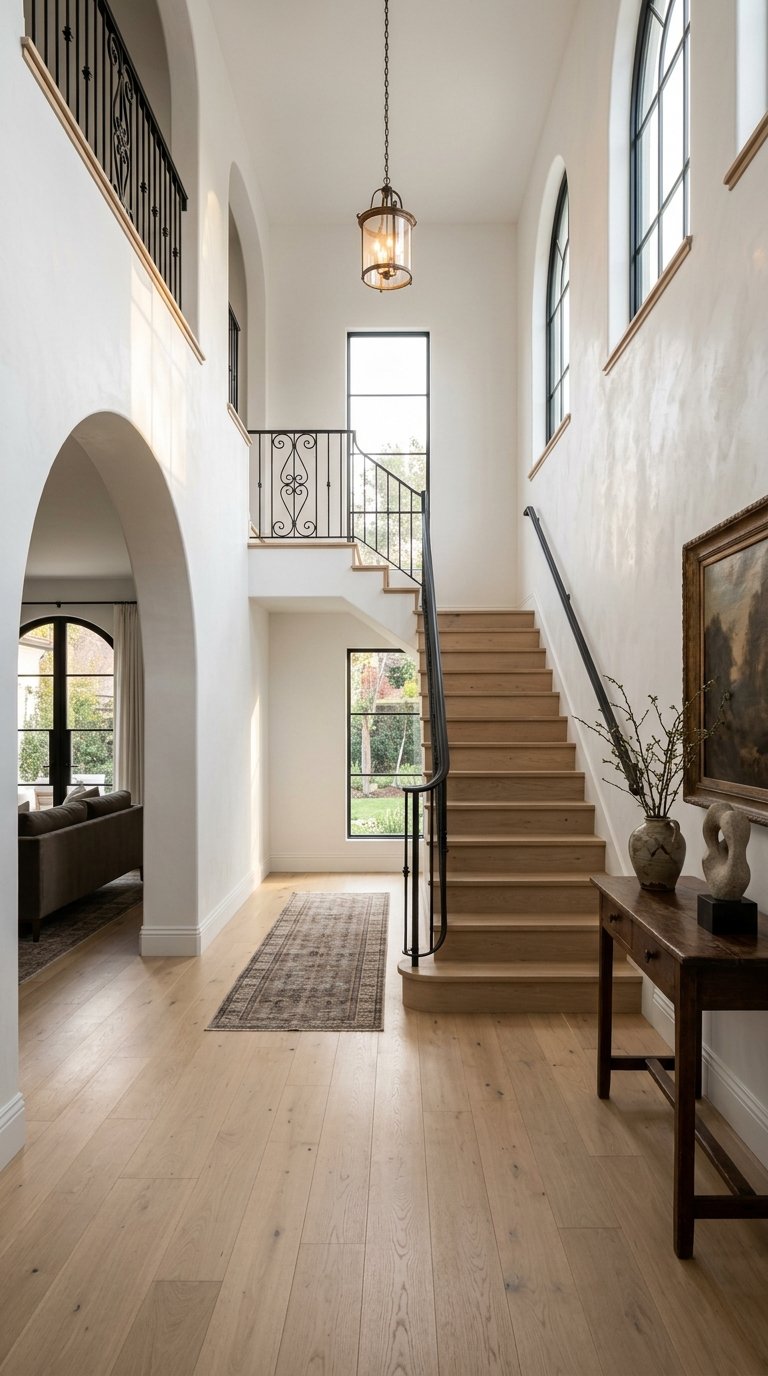
For many move-up buyers, the biggest improvement is functional space. Eastwood floor plans and resale descriptions often point to features like upstairs lofts, downstairs bedrooms, larger primary suites, and more separation between living, work, and sleep areas.
That can make a real difference if you need room for guests, remote work, hobbies, or simply a less crowded daily routine. Instead of making every room do double duty, you may have more clearly defined spaces that support how you live now.
Better Separation of Space
If you are coming from a smaller attached home, one common upgrade is the feeling of better separation. A larger Eastwood home may give you a more distinct kitchen and living area, a secondary lounge or loft upstairs, and bedroom placement that creates more privacy.
That kind of layout can feel calmer and more practical. It also tends to support longer-term living if your needs change over time.
Lot Size and Privacy Feel Different
Square footage inside the home is only part of the story. Eastwood resale examples show lot sizes ranging from about 2,000 square feet in some attached-product areas to about 5,500 square feet in larger detached homes, with many detached homes clustering around roughly 3,600 to 4,800 square feet.
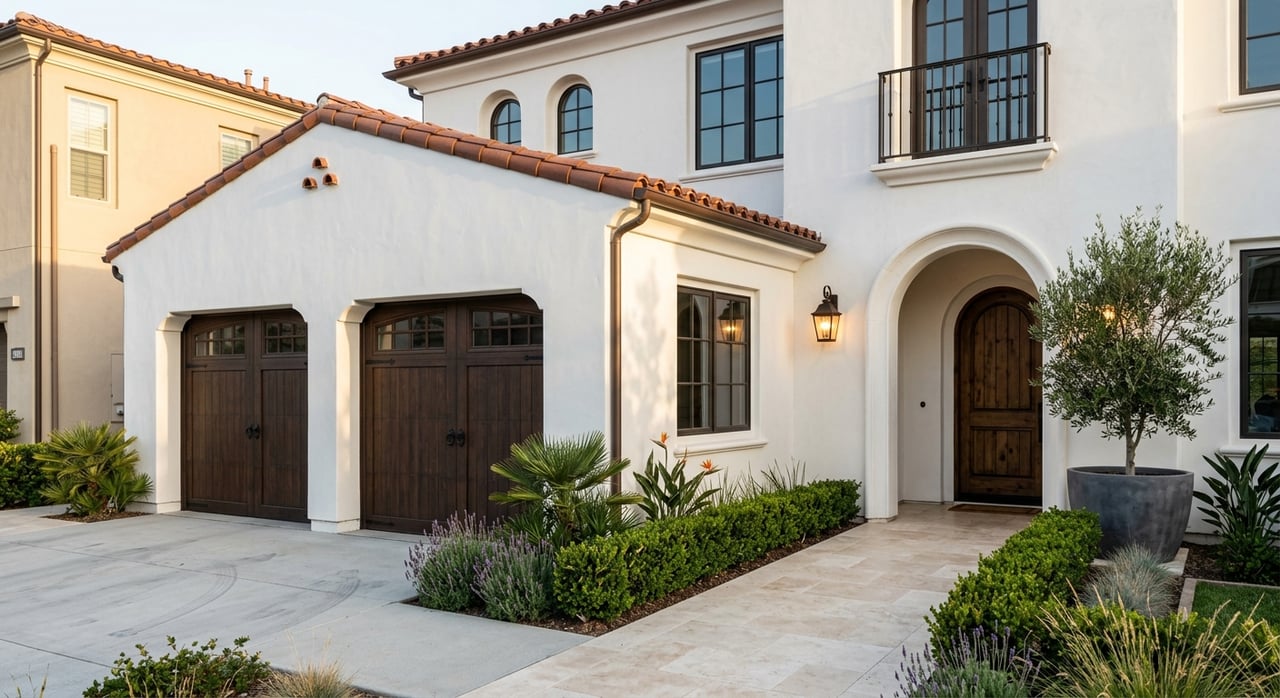
For buyers moving up from a starter condo or townhome, that often means a more private entry experience and a more detached feel overall. Some resale listings also mention private driveways or full-size driveways, which can be a meaningful upgrade from shared parking or tighter entry patterns.
A Newer Village Feel, Not Estate Lots
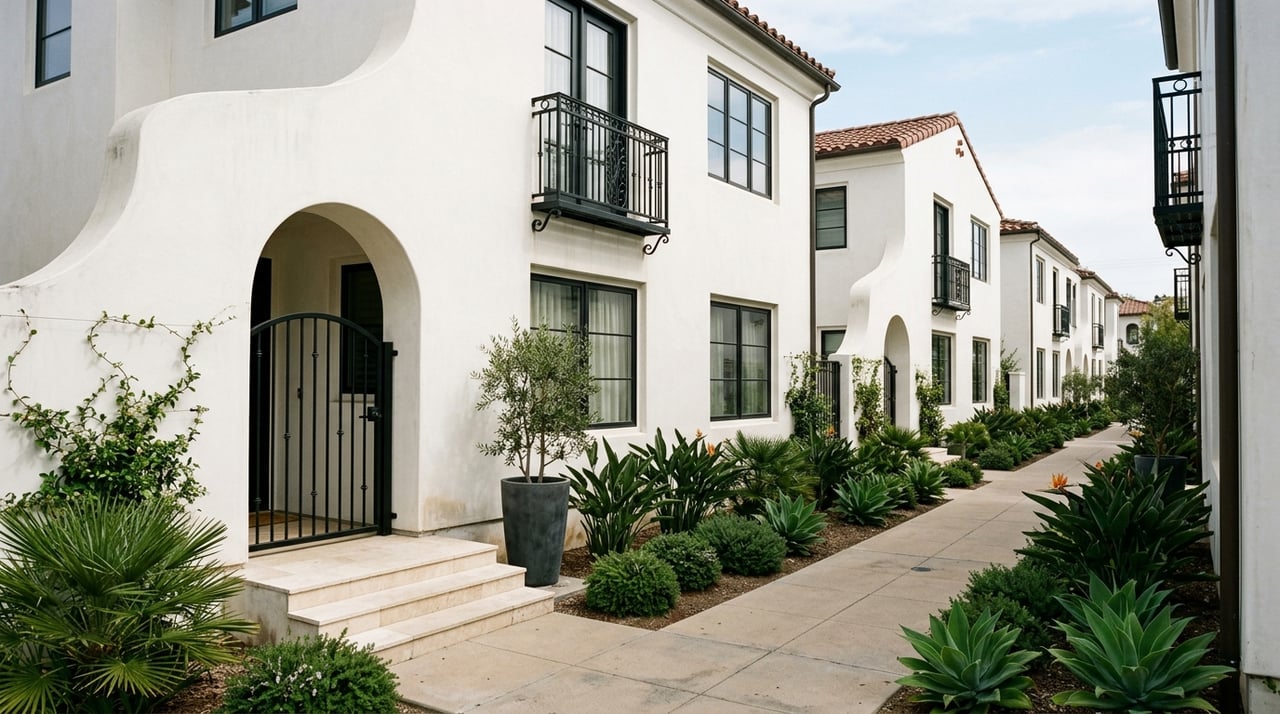
It helps to set expectations clearly. Eastwood often offers more breathing room than starter attached housing, but it still feels like a newer master-planned village rather than an older neighborhood with oversized estate lots.
For many buyers, that balance is exactly the appeal. You get a more spacious and private-feeling setup without losing the connected, organized feel of a planned Irvine community.
Your Monthly Costs Will Likely Rise
A move-up purchase is not just about the mortgage. In Eastwood, recurring ownership costs can also increase through property taxes and HOA dues, and those numbers are important to review before you fall in love with a home.
Recent listing examples show HOA dues around $125 to $150 per month on many tracts. Some homes, especially certain attached products, may also have a second HOA fee, with one example showing an additional $178 per month.
Property Taxes Can Be Significant
A recent Eastwood listing priced at $2.35 million reported annual property taxes of $18,624. That works out to about $1,552 per month before mortgage, insurance, and maintenance.
Using that same example, taxes plus a $150 HOA already total about $1,700 per month before financing costs. If a home also carries a second HOA, your monthly carrying cost rises further.
Why the HOA Costs Exist
Those fees support a broader amenity package than many starter communities offer. Eastwood’s parks and recreation features include sports fields, picnic and barbecue areas, lighted tennis courts, playgrounds, a tricycle course, restrooms, parking, junior Olympic pools, wading pools, spas, basketball courts, sand volleyball courts, and shade structures.
If you are moving up into Eastwood, part of what you are paying for is a more complete neighborhood environment. That does not make every home the right financial fit, but it does help explain why the monthly budget can look different.
Daily Life in Eastwood Feels More Connected
A bigger home matters, but lifestyle convenience often matters just as much. Eastwood is designed with pathways that connect residents to parks, trails, and schools, and the community specifically notes walk and bike access to Eastwood Elementary School and the Jeffrey Open Space Trail.
That kind of connected layout can shape your daily routine in subtle but important ways. You may spend less time driving for short trips inside the village and more time using the neighborhood itself.
Shopping and Errands Are Close By
Eastwood also benefits from practical retail access. Woodbury Town Center is about five minutes away, Cypress Village Shopping Center is just a few blocks from Eastwood, and Irvine Spectrum Center and Orchard Hills Shopping Center are within a short drive.
For move-up buyers, that can make the village feel easier to live in day to day. It offers a residential setting without feeling cut off from errands, dining, and everyday convenience.
How Eastwood Compares to Other Irvine Options
If you are moving up within Irvine, Eastwood often lands in a useful middle ground. It is generally bigger and more amenity-rich than starter attached housing, but usually not as large or as expensive as some of Irvine’s higher-tier move-up options.
That middle position is one reason Eastwood stays relevant for buyers who want more home and a strong community setting without stretching into the largest village products.
Eastwood vs. Irvine Spectrum Area
Compared with smaller detached starter-style options in Irvine Spectrum, Eastwood generally offers more square footage and a more neighborhood-centered environment. For example, Andalucia at Irvine Spectrum offers detached homes from about 1,326 to 1,752 square feet, with a location centered more around the Spectrum retail and entertainment core.
If your goal is to gain space and a more established village feel, Eastwood may offer a stronger move-up step.
Eastwood vs. Portola Springs
Compared with Portola Springs, Eastwood is usually more central and less open-space oriented. Current Portola Springs offerings include homes around 2,133 to 2,420 square feet and others around 3,225 to 3,473 square feet, while the village highlights 15 or more pools, parks, trails, and open space.
If you want a more central Irvine location, Eastwood may stand out. If you are aiming for larger plans or a more recreation-heavy village identity, Portola Springs may pull your attention.
Eastwood vs. Orchard Hills
Compared with Orchard Hills, Eastwood usually sits lower on the size and luxury ladder. Current Orchard Hills offerings include homes from about 2,826 to 3,259 square feet in one neighborhood, and the broader village includes homes up to roughly 5,344 square feet.
That makes Orchard Hills a different move-up tier for many buyers. Eastwood is often the better fit if you want meaningful improvement in space and lifestyle without jumping to the largest and most expansive Irvine options.
What to Check Before You Buy in Eastwood
Because Eastwood is now a resale market, each property deserves close review. Two homes in the same village can feel very different once you factor in tract, lot, HOA structure, interior layout, and monthly carrying cost.
Here are a few smart things to compare as you narrow your options:
- Total square footage and how the layout is distributed
- Whether the home has a loft, downstairs bedroom, or other flexible-use space
- Lot size and whether the home feels more attached or detached in practice
- Driveway setup and parking functionality
- Number of HOA fees and total monthly amount
- Estimated property taxes based on the current price point
- Access to parks, trails, and shopping relative to your routine
A move-up purchase works best when the numbers and the lifestyle both make sense. That is especially true in Irvine, where small differences between villages and tracts can have a big effect on your day-to-day experience.
The Bottom Line on Moving Up to Eastwood
If you are considering Eastwood Village, the biggest change with your next home is usually not just extra square footage. It is the shift to more flexible living space, a more private detached feel in many cases, broader neighborhood amenities, and a more complete daily lifestyle.
At the same time, your carrying costs may rise through taxes and HOA dues, so it is important to weigh the lifestyle benefits against the full monthly budget. When you compare homes carefully, Eastwood can be a strong middle-ground move-up option within Irvine.
If you want help comparing Eastwood to other Irvine villages, estimating your monthly costs, or understanding what your current home could sell for, connect with Jen Gong for clear, data-driven guidance tailored to your next move.
FAQs
Is Eastwood Village in Irvine still new construction?
- No. Eastwood Village is sold out, so buyers today are typically purchasing resale homes rather than builder releases.
How much HOA should you expect in Eastwood Village?
- Recent listing examples show many Eastwood homes with HOA dues around $125 to $150 per month, and some homes may also have a second HOA fee.
What changes when you move up from a condo to Eastwood?
- Many buyers gain more flexible floor plans, more separation between living areas and bedrooms, and in some cases a more private detached feel with a driveway and larger lot.
How do Eastwood Village property taxes affect your monthly budget?
- A recent listing example showed annual property taxes of $18,624, or about $1,552 per month, before mortgage, insurance, and HOA fees.
How does Eastwood compare with other Irvine villages for move-up buyers?
- Eastwood is generally a middle-ground option that offers more space and amenities than starter housing, while usually remaining smaller and less expensive than larger options in Portola Springs or Orchard Hills.