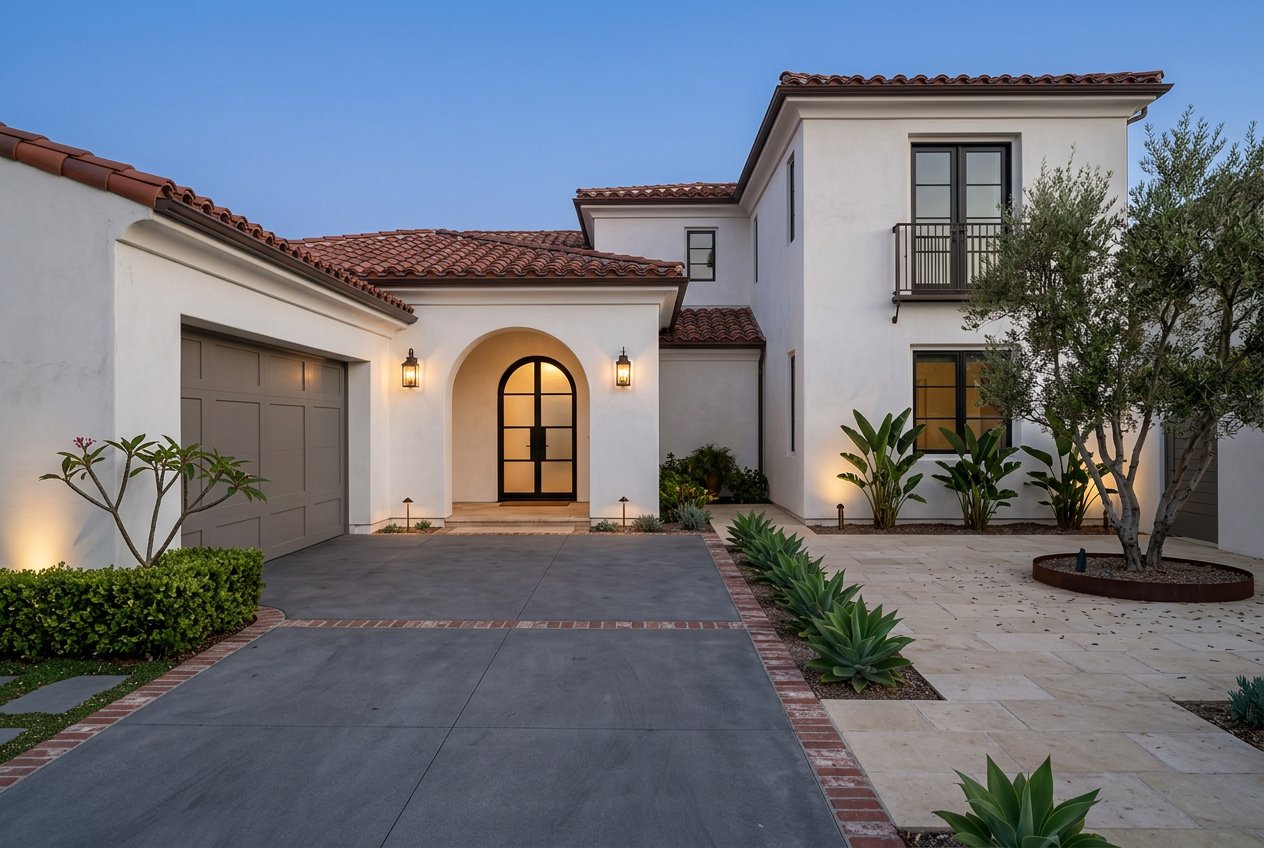
You chose Orchard Hills for its elevated lifestyle and refined master-planned setting. Now you want to win the right home without paying more than you need. In this guide, you’ll see the current 92602 market reality, the exact terms sellers in Orchard Hills value most, and a step-by-step playbook to write a stronger offer. Let’s dive in.
Orchard Hills market reality
Orchard Hills sits at the top end of Irvine pricing. As of February 2026, Redfin reports a neighborhood median sale price around $3.415 million, with median days on market near 100 to 105 and about $1,030 per square foot. In the broader 92602 zip code, the median sale price sits near $2.58 million and the sale-to-list ratio is about 97.6 percent, with roughly 16 percent of homes selling above list in the latest snapshot. Realtor.com’s January 2026 snapshot shows a 92602 median listing price near $2.925 million. Different providers use different data feeds, so expect slight month-to-month swings.
What this means for you: Orchard Hills commands premium pricing, but not every listing draws a bidding war. Price, presentation, and terms still move the needle. Smart buyers use neighborhood-level comps and focused terms to win.
What sellers value most
Net price and certainty
Sellers weigh your offer’s net proceeds and the likelihood it closes on time. A fair price with high certainty often beats the highest number with weak financing or unclear timelines. Show that your offer is real, funded, and ready to move.
Financing strength
A full preapproval that shows your file is pre-underwritten, often described as approved subject to appraisal, gives sellers confidence. It signals that your lender has verified income, assets, and credit. Appraisal results and title then become the main remaining hurdles. Learn how lenders evaluate appraisals and waivers in this overview of appraisal readiness and modernization from HousingWire: appraisal readiness steps.
Timing and escrow
In Southern California, financed purchases commonly close in 30 to 45 days. If your financing team can close in 21 to 30 days without added risk, that speed can make your offer more attractive. Align your timeline with the seller’s ideal move date and HOA document review windows.
Contingencies and earnest money
California’s standard forms set default contingency windows that you can tailor. The C.A.R. quick guide summarizes common timelines, such as 17 days for inspections and appraisal, and about 21 days for the loan contingency, unless you change them in your offer. See the C.A.R. reference: contingency and removal guide.
In competitive situations, buyers often shorten certain windows, but only when inspectors and the lender are ready. Earnest money deposits are larger in high-end areas, and sellers watch whether funds become non-refundable after contingency removal. For a plain-English overview, read this escrow primer: buyers, deposits, and contingencies.
Build your winning offer
Price to Orchard Hills comps
Base your price on closed sales from the last 60 to 90 days inside Orchard Hills or directly comparable gated communities within the master plan. Zip code or citywide averages can mislead at this price tier. The 92602 sale-to-list ratio near 97.6 percent suggests sellers respond to well-supported offers. Your goal is a data-backed number plus terms that lower the seller’s risk.
Strengthen without overpaying
Use terms that increase certainty rather than just adding dollars:
- Secure a written preapproval that is as complete as possible, ideally pre-underwritten with conditions cleared except appraisal.
- Provide clean proof of funds for your down payment and earnest money, with sensitive numbers redacted.
- Offer a meaningful earnest money deposit that aligns with local luxury norms, then schedule non-refundable status after you remove contingencies.
- Match the seller’s preferred close date or offer a faster close if your lender can perform.
- Keep repair requests focused. If you find minor issues, consider a modest credit instead of a laundry list of fixes.
- Be flexible on HOA document review timelines and possession details, including a short rent-back if the seller needs it.
Contingency timeline that works
Start counting from mutual acceptance. A balanced, competitive example might look like this:
- Day 0: Offer accepted.
- Days 1–3: Order all inspections and have your lender submit the file to underwriting.
- Days 7–10: Remove investigation contingency or submit a targeted repair request.
- Day 17: Appraisal contingency target, consistent with common C.A.R. defaults if not changed in writing.
- Day 21: Loan contingency target, if used in your offer.
If you shorten any of these, state exact day counts in the offer so everyone shares the same calendar. Reference the C.A.R. guide for default norms and definitions: contingency and removal guide.
Appraisal and financing choices
Orchard Hills prices often require high-balance or jumbo financing. Check the current FHFA conforming loan limits for Orange County to confirm where your loan falls: FHFA conforming loan limit data. Jumbo loans can take more documentation and sometimes add days to underwriting, which affects your escrow timeline.
Rate context matters too. Freddie Mac’s Primary Mortgage Market Survey put the 30-year fixed near 6.0 percent for the week of March 5, 2026. See the press release summary here: mortgage rates hold steady. When rates shift, your cash-to-close and comfort with any appraisal gap can change.
Where appraisals still occur, two common ways to handle shortfalls are:
- Conservative approach, appraisal contingency stays in place with a cap: “You will pay up to $X above the appraised value to bridge any gap, and you can still cancel within your appraisal contingency timeline.” This protects your exit option.
- Aggressive approach, partial appraisal waiver: “You will waive the appraisal contingency up to $X. If the shortfall exceeds that amount, you may cancel per contract.” This signals higher certainty but requires strong cash reserves.
Read more on how lenders think about appraisal readiness and waiver eligibility: appraisal readiness steps.
Use an escalation clause wisely
Escalation can help you avoid blind overbidding. A simple structure looks like this: start at price X, agree to beat any bona fide higher written offer by a fixed increment Y, up to a maximum cap. Require the competing offer to be unconditional or adjusted for concessions so you are matching true net proceeds. Always include a clear cap and provide proof of funds for the increment.
New construction vs resale in Orchard Hills
What to expect with builders
Orchard Hills has active new-home villages. KB Home announced new gated phases in 2024 and 2025, and other builders continue to release lots. See an example announcement here: KB Home community opening. Builders price using base price, lot premiums, and option sheets, and they may offer incentives like rate buydowns or closing credits. Deposits are often staged, and contract language differs from resale forms.
How resale terms differ
Resale sellers typically follow California’s RPA structure with standard earnest money, inspections, and negotiable credits. Your leverage comes from a focused CMA, inspection readiness, and an appraisal-gap plan that fits your budget. Appraisers often rely on resale comps, so early-phase new builds that sell at a premium can introduce appraisal risk if your loan requires an opinion of value.
Quick move-in vs to-be-built
Quick move-in homes may close faster if the builder controls the process, while to-be-built timelines can stretch for approvals and construction. Match your financing lock period and contingency dates to the builder’s schedule so you do not run into rate lock or document expirations.
Ready-mover checklist
Use this short list to keep momentum:
- Confirm whether your loan is conforming or jumbo using the current county loan limits: FHFA limits.
- Ask your lender for a pre-underwrite that clears conditions except appraisal. Also ask if your file is eligible for any appraisal waiver program via automated underwriting: appraisal readiness steps.
- Schedule inspections for the first 24 to 72 hours after acceptance so you can confidently shorten the investigation window.
- Base price on Orchard Hills comps from the last 60 to 90 days, not citywide averages.
- If you use an escalation clause, set a clear increment and a firm cap.
- If you use an appraisal-gap commitment, document the maximum amount and how you will fund it at closing.
- Align your close date and HOA timelines with the seller’s needs, and consider a brief rent-back if it strengthens your position.
Common scenarios and tactics
Listing active 60+ days
With Orchard Hills’ higher days on market, a listing that has sat may be overreaching on price or awaiting the right buyer. Lead with a data-backed offer close to your CMA, include strong financing, and offer certainty on timelines. Consider a modest appraisal-gap cap to reduce renegotiation risk.
Fresh listing with strong traffic
If early showings are brisk, assume you are not alone. Use an escalation clause with a cap, shorten inspection to 7 to 10 days if your inspectors can move quickly, and have funds and pre-underwrite in hand. Ask what close date and possession terms the seller prefers, then match them.
Builder quick move-in opportunity
Price is less flexible, but incentives can be real. Ask about rate buydowns, closing credits, or upgrade packages. Confirm appraisal support using nearby resale comps and be clear about any appraisal-gap plan if the price sits above recent resales.
Let’s craft your Orchard Hills plan
Winning in Orchard Hills is about precision. You combine neighborhood-specific pricing with financing that inspires confidence and timelines that remove doubt. When you control those variables, you compete without overpaying.
If you are ready to target a specific home or want a second opinion on price and terms, connect with Jen Gong. You will get a clear plan, a data-backed offer strategy, and hands-on guidance from first showing to keys.
FAQs
What makes a competitive offer in Orchard Hills today?
- A data-supported price based on recent Orchard Hills comps, a near-complete preapproval, a 30 to 45 day close aligned to the seller, and streamlined contingencies with clear dates.
How large should my earnest money be for a luxury Irvine purchase?
- Amounts vary by price and norms, but higher-end sellers look for meaningful deposits that become non-refundable after you remove contingencies; confirm specifics with escrow and the listing agent.
Is waiving the appraisal contingency too risky in 92602?
- It can be if you lack cash reserves. Many buyers use a capped appraisal-gap commitment to reduce seller risk while preserving an exit if the shortfall exceeds a set amount.
How fast can I close on a financed Orchard Hills home?
- Typical financed escrows run 30 to 45 days. With a strong lender and organized documentation, some buyers close in 21 to 30 days if the seller and HOA timelines allow.
Should I use an escalation clause on a popular listing?
- Yes, if you set a clear increment and firm cap, and require the competing offer to reflect true net proceeds. This helps you stay competitive without blind overbidding.
How do builder incentives compare to resale credits in Orchard Hills?
- Builders often prefer structured incentives like rate buydowns or upgrade packages, while resale sellers are more likely to negotiate credits or limited repairs tied to inspections.