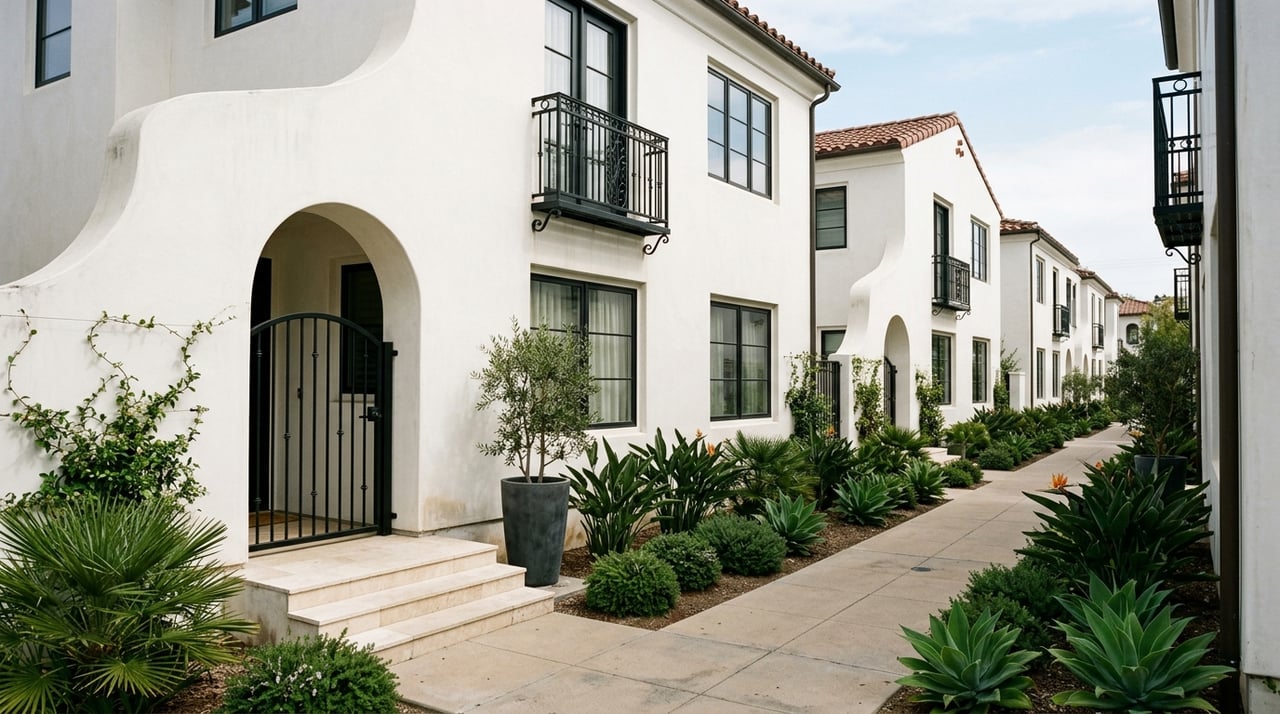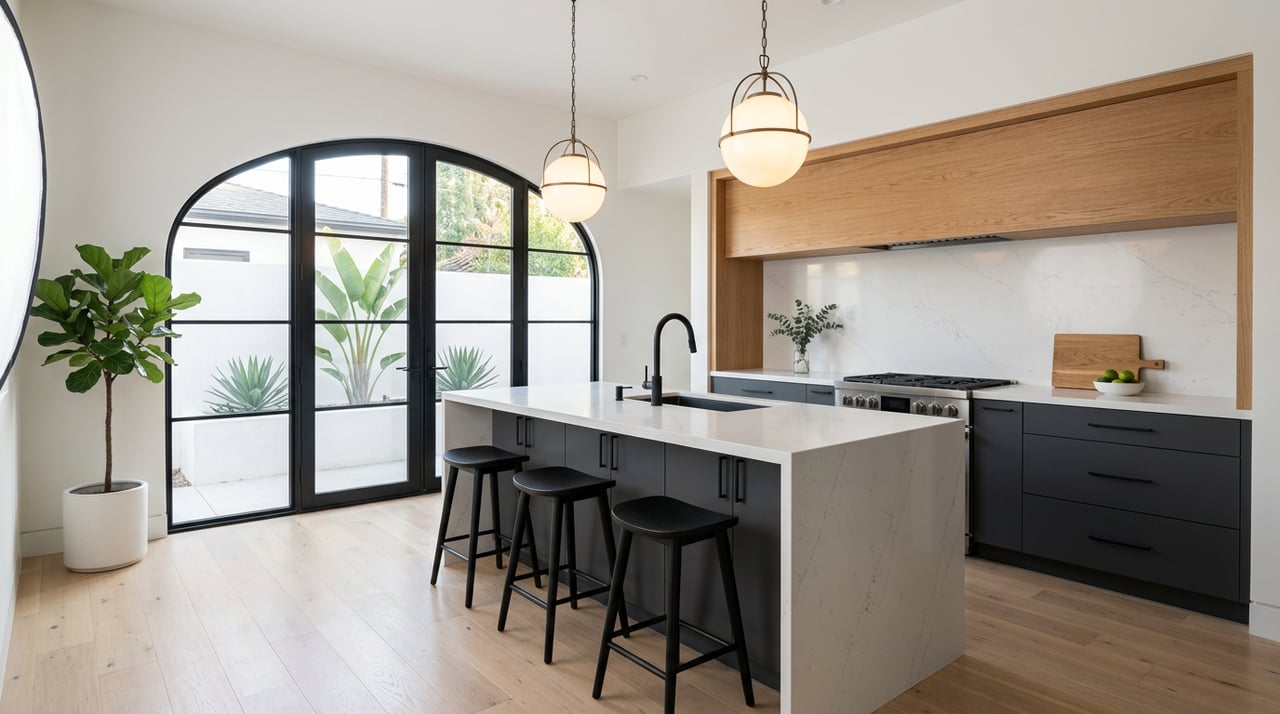
Buying in Irvine but can’t hop on a plane for every tour? You’re not alone. Many buyers secure homes in Irvine’s newer master-planned communities from out of town or overseas. With the right plan, you can research schools and amenities, compare costs, write a strong offer, and close securely without being here in person. This guide shows you how to evaluate Great Park Neighborhoods, Eastwood Village, Orchard Hills, and Woodbury remotely, and it outlines a step-by-step process from financing through closing. Let’s dive in.
Irvine’s newer master-planned areas at a glance
Great Park Neighborhoods
Great Park Neighborhoods is a collection of newer-home tracts next to the Orange County Great Park, with multiple builders offering townhomes and detached homes across phases. Amenity buildout is ongoing, so confirm which parks, pools, and retail are complete for the specific tract you’re considering. You can review current neighborhoods and development updates on the official Great Park Neighborhoods site.
Eastwood Village
Eastwood Village blends smaller neighborhoods with walkable paseos, parks, and village pools. It is marketed around access to trails and nearby retail like Woodbury Town Center and Cypress Village. For a helpful snapshot of village planning and walkability notes, see this Eastwood Village overview.
Orchard Hills
Orchard Hills spans foothill locations that can offer broader views and a more hillside setting. Parts of Orchard Hills fall under Tustin Unified School District boundaries, and hillside properties may involve special geotechnical considerations like drainage or retaining walls. For neutral context on location and character, review the Orchard Hills entry, then verify parcel-level details during escrow.
Woodbury
Woodbury is a large, established village near Jeffrey Road with its own shopping center and neighborhood amenities. Portions of Woodbury are currently assigned to Portola High, and the district has discussed future boundary adjustments, so you should verify the exact school assignment for any address you consider. For nearby retail context, explore the Woodbury Town Center page.
Costs and documents to verify remotely
Special taxes (Mello-Roos/CFDs). Many newer tracts in Irvine were financed with Community Facilities District bonds. The special assessment shows as a separate line on your county property tax bill and affects your annual carrying cost. Cross-check your parcel number against the City’s list of active districts on the City of Irvine CFD page.
HOA and CC&Rs. Most newer villages include HOA dues for pools, landscaping, and common-area upkeep. During escrow, request and review the HOA budget, reserve study, rules and CC&Rs. Build time into your contingency period to read these documents carefully.
School assignments. School boundaries can shift as new phases open and enrollment changes. Portola High has faced capacity pressures, and Irvine Unified has reviewed boundary changes affecting some neighborhoods. Always confirm the property’s current assignment with the district. You can follow planning updates at IUSD’s project page for Portola and confirm the specific address directly with the district.
Hillside and structural items. If you are exploring Orchard Hills or other sloped lots, consider whether additional geotechnical or drainage documentation is available. Ask for any builder engineering reports and have your inspector flag items that may need a specialist.
Your remote buying game plan
Step 1: Get financing and assemble your team
Start with a lender conversation so you know your budget and documentation needs. If you are a foreign national, expect larger down payments and additional paperwork. Choose a local buyer’s agent who knows Irvine’s master-planned communities and can support bilingual communications if needed. Clarify preferred platforms for video tours, document review, and secure messaging.
What to prepare now:
- Pre-approval letter or proof of funds
- Government-issued ID and, if applicable, visa or passport pages
- A clear wish list for home type, community features, and timing
Step 2: Tour virtually and collect documents
Use 3D tours, builder videos, and live video walkthroughs to understand layout and finishes. Ask your agent for recorded tours that include street views at different times of day. Gather parcel-level items early: the APN, current tax bill, HOA package, CC&Rs, the seller’s Transfer Disclosure Statement, and the Natural Hazard Disclosure. If Mandarin is your preferred language, request translations or summaries of key pages so you can review comfortably.
School research tips:
- Confirm the address’s current assignment with the district before you remove contingencies.
- Review district updates and planning documents for signs of future boundary changes.
- Look at enrollment trends and programs by visiting district and school websites directly.
Step 3: Offer strategy when you are not here in person
Remote offers can still be competitive when you show certainty. A verified pre-approval, proof of funds, a realistic timeline, and a responsive local agent all help. Typical levers include earnest money amount and contingency periods for inspections, loan, and appraisal. Balance speed and risk based on your comfort and your lender’s timeline.
How to strengthen your position:
- Provide updated financials with your offer package
- Be clear about your preferred closing date and signing method
- Have your inspector on standby to schedule quickly if accepted
Step 4: Inspections and due diligence from afar
Arrange a general home inspection and, as applicable, termite, sewer, roof, HVAC, pool, or geotechnical inspections. Ask each inspector to provide high-resolution photos, time-stamped videos, and a recorded or live recap so you can attend remotely. If you are buying in a hillside area, confirm what the inspector can evaluate and whether a specialist is recommended. Review disclosures and HOA documents with your agent and, if needed, a California real estate attorney for specific questions.
Step 5: Closing options for remote buyers
California approved a framework for Remote Online Notarization and eClosings, with implementation phased and subject to lender and escrow platform eligibility. Ask your escrow and lender which path your specific transaction supports: full remote notarization, a hybrid eClose with some in-person notarization, or a traditional signing. For official implementation updates, monitor the California Secretary of State’s notary alerts page.
Power of attorney is sometimes used by remote buyers, but it must be drafted and accepted precisely, and some escrow and title teams prefer RON or in-person notarization for security reasons. Coordinate any POA language with escrow well before closing.
Step 6: Wire security for a safe close
Remote closings are a target for email and wire fraud. Follow these best practices every time you move money:
- Never rely on wiring instructions sent only by email
- Call your escrow officer using a phone number you independently verify from the company website
- Use your title or escrow company’s secure portals and identity verification tools
- Act immediately if something looks wrong
For perspective on the scale of wire-fraud losses, review this summary from the title industry and FBI reports on real estate fraud trends: wire fraud risk overview.
Step 7: After closing
Title will record with the county once funds are received. Ask how key release works for your situation, whether through a lockbox or coordinated pickup. If you are buying new construction, confirm HOA onboarding and any builder warranty activations so you can submit service requests as needed.
How to evaluate a neighborhood without visiting
Schools. Check district boundary tools for the current assignment, then contact the district to confirm the address. Because assignments can shift with growth, get written confirmation before removing any school-related contingency.
Amenities and parks. Use developer and city pages to confirm which parks, pools, and trails are complete today versus planned for later phases. The Great Park Neighborhoods site is a reliable overview for Great Park-area communities.
Day-to-day feel. Ask your agent for morning and evening street-view videos to see traffic patterns, parking, and ambient noise. Use mapping tools to simulate your commute at peak and off-peak times. Request a live neighborhood drive-through by video for context beyond the property line.
Quick remote-buyer checklist
- Confirm APN, tax bill, and any Mello-Roos on the City of Irvine CFD list
- Secure lender pre-approval and timeline, including foreign-national documentation if applicable
- Gather HOA package, CC&Rs, TDS, and NHD; block time to review
- Schedule general, termite, and any specialty inspections with video documentation
- Verify school assignment with the district for the exact address
- Decide on eClosing, hybrid, or in-person signing with your escrow and lender; review remote-notary requirements on the Secretary of State’s alerts page
- Use verified phone numbers for all wires and never follow email-only instructions; review wire fraud risk guidance
Work with a local, bilingual team that does this every week
Buying remotely in Irvine is very doable when you have a clear plan and a responsive, detail-oriented team. You get better results when someone local is verifying parcel-level items, coordinating video tours, and keeping your escrow, inspections, and signing on track. If you prefer English or Mandarin, you will have smooth communication and frequent updates so you always know your next step.
Ready to explore Great Park, Eastwood, Orchard Hills, or Woodbury from wherever you are? Reach out to Jen Gong for a confident remote-buying plan tailored to your goals.
FAQs
Can international buyers get a mortgage for a home in Irvine?
- Yes. Many lenders offer foreign-national or ITIN programs that often require larger down payments, reserves, and alternative documentation. Start early with a lender that does these loans regularly, such as those that offer foreign-national programs.
Is a fully remote closing possible in California?
- California has enabled remote notarization and eClosing options subject to rollout, lender acceptance, and your escrow platform. Ask your escrow and lender which method your transaction supports and plan your signing path early.
How do I confirm the school assignment for a specific Irvine address?
- Use the district’s boundary resources to look up the address, then contact the district for written confirmation. Do this before you remove any school-related contingency, since assignments can change as neighborhoods evolve.
What is Mello-Roos and how do I check if it applies to my home?
- Mello-Roos is a special tax used to fund infrastructure in certain communities. It appears on the property tax bill. Use your parcel number to cross-check the home against the City’s active Community Facilities District list and review the tax bill during escrow.
How can I protect myself from wire fraud during a remote closing?
- Always verify wiring instructions by calling your escrow officer at a known, published number, never from an email link. Use your escrow company’s secure portals and act immediately if you suspect anything unusual.